Handball baselayers and compression
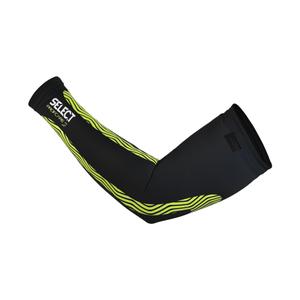
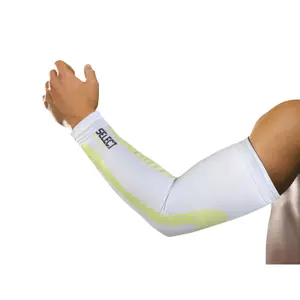
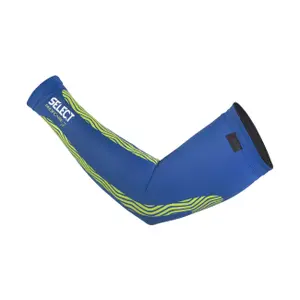
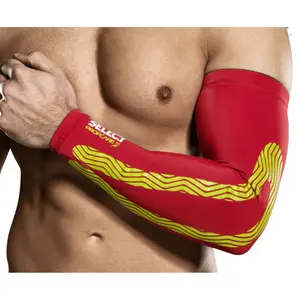
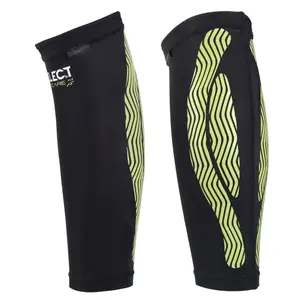
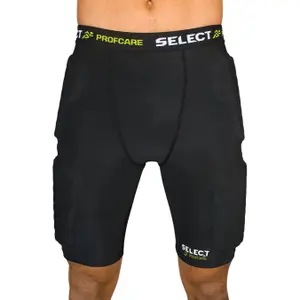
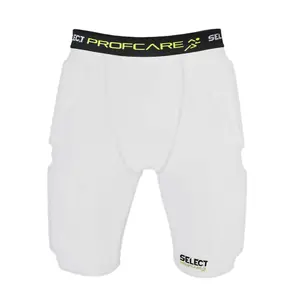
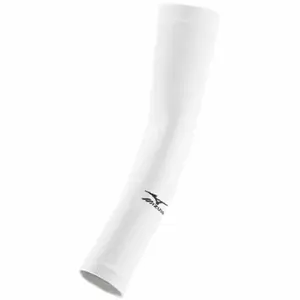
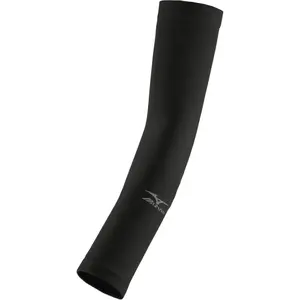
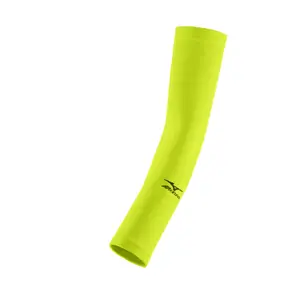
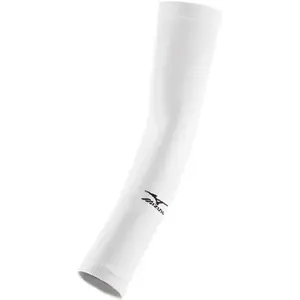
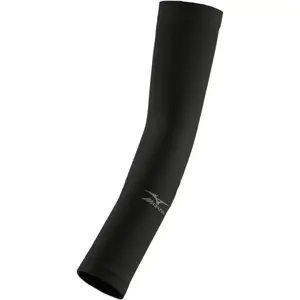


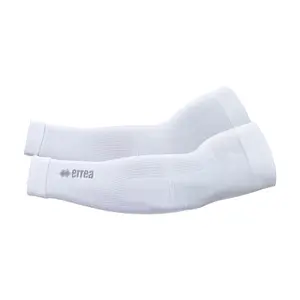


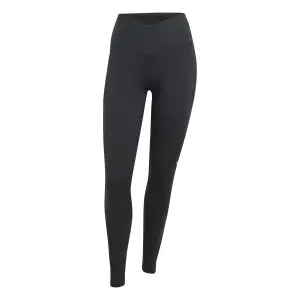
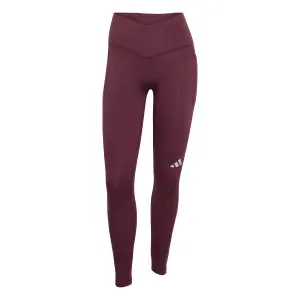


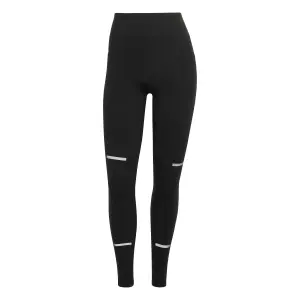
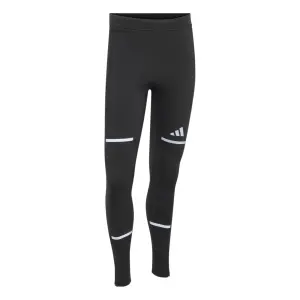
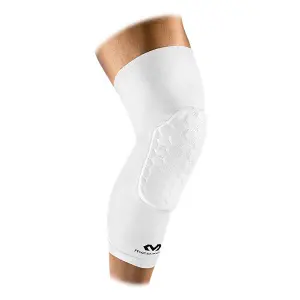
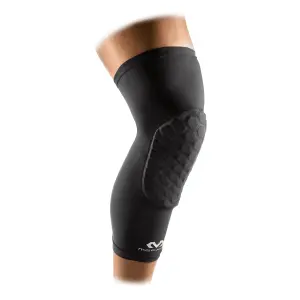


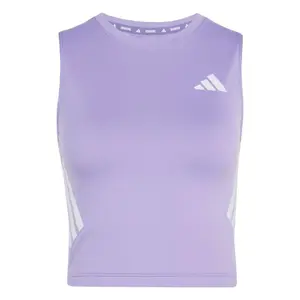

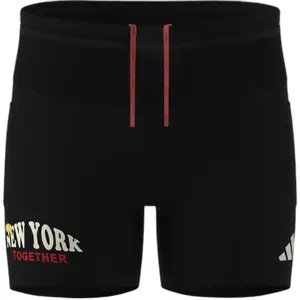


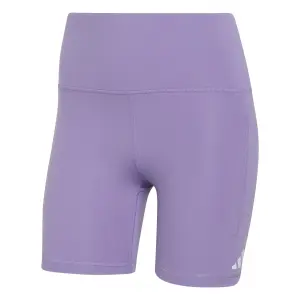
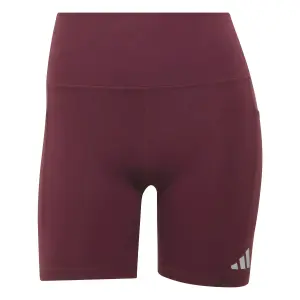
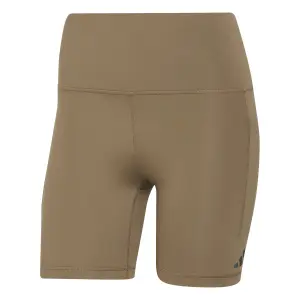
Under the shirt or shorts, handball baselayers form the layer worn next to the skin: undershirts, leggings, shorts, vests and sleeves that support the muscles and manage sweat.
Each piece meets a specific need, from keeping the arm warm during warm-up to shorts that eliminate chafing. First, choose the area to cover, then the level of support.
Arm sleeves, shorts, base layers: what each piece is for
The base layer, whether short or long-sleeved, is worn under the match shirt. It keeps the upper body warm and absorbs sweat before it soaks the shirt. The short tight ends above the knee, preventing chafing on the inner thighs and supporting the muscles during runs and jumps. The legging covers the whole leg, practical in cold gyms or for physical preparation. Lastly, the sleeve only covers one segment: the arm or the calf. Many players wear it on the throwing arm, or to protect their elbows and forearms from falls.
Compression or just a second skin: know the difference
Not all base layers compress. A second skin hugs the body without squeezing: it manages heat and sweat. A compression garment exerts a stronger pressure on the muscle, which limits vibrations during exertion and provides a feeling of support. This pressure must remain comfortable: if the fabric pinches the skin or numbs the leg, the size is too small. Compression does not replace warming up or recovery; it adds comfort.
Technical fabrics: dry quickly and stay in place
Base layers are made from synthetic fibers, often blended with elastane for stretch. These fabrics transport sweat outward, where it evaporates, rather than keeping it against the skin. Flat seams help prevent irritation under the shirt, and a siliconed elastic at the bottom of the shorts and sleeves stops them from slipping. In a warm gym, choose a thin fabric; in a cold gym, a slightly thicker mesh better retains heat.
Select, Hummel, Under Armour, Kempa, Joma, Mizuno: specialists in base layers
- Select: the Danish brand of handballs offers compression sleeves for the arm and leg, and compression shorts, including a version with pads.
- Hummel: shorts and leggings for men and women, easy to pair with the brand's match kits.
- Under Armour: the American brand, known for its compression wear, offers fitted shorts and leggings.
- Kempa: the long-sleeved base layer Attitude and shorts designed for handball.
- Joma: long-sleeved compression shirts and shorts from the Brama range.
- Mizuno: compression sleeves for the arm, sold in pairs, and team base layers.
Finding your compression size
A base layer should fit more snugly than a shirt. For shorts or leggings, waist and thigh measurements are more important than your usual size. For a sleeve, measure the circumference of your arm or calf at the widest point. Between two sizes, take the larger for a second skin and the smaller for a compression garment, as long as you can get it on without forcing.
Keeping elasticity longer
Elastane is the most delicate fiber in a base layer. Heat relaxes it: wash your shorts and base layers at a low temperature, without fabric softener, and dry them flat, away from a radiator. Avoid leaving them damp at the bottom of your sports bag, where smells settle in synthetic fibers.
Over the base layer: other families
- The base layer hides under one of the handball shirts.
- The short tight is worn under hand shorts.
- Socks complete a calf sleeve to cover the whole leg.
- For warm-up, add a layer from the sweatshirts.
- Jackets and tracksuits keep you warm on the bench.
- T-shirts and polos replace the base layer during physical preparation.
- Goalkeepers often wear leggings and pads, found among the trousers.
Reduced price base layers
Sleeves and shorts often need replacing after falls and washes. Clearance items can be found on the textile clearance page. The rest of the year, look for special textile offers, and then for the Black Friday textile as winter approaches.
Frequently asked questions
Why do handball players wear only one sleeve?
The sleeve worn on one arm protects the elbow and forearm during falls or supports the throwing arm. It's also a matter of habit and style. There's nothing stopping you from wearing two.
Is a compression short worn with underwear?
No, it is designed to be worn directly against the skin, under the shorts. Adding underwear creates extra seams and therefore chafing. Just wash it after every use.
Do compression garments help with recovery?
Many athletes wear them after exertion for the feeling of light legs. Their effect varies from person to person. They do not replace hydration, sleep, or stretching.
What colour base layer should I choose for a match?
The one closest to the main colour of the shirt, or if not, black or white. Many teams coordinate base layers to maintain a uniform outfit. Check with your club before the first match.
How can I prevent a short tight from riding up during play?
Choose a model with a siliconed elastic at the leg opening and check the size: a short tight that is too large will ride up, a too-small one will roll at the waist. A length that ends above the knee remains the most stable.