Men's handball baselayers
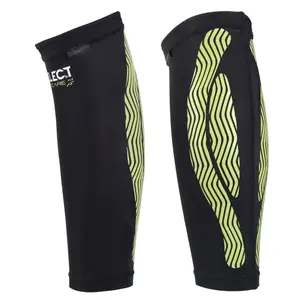
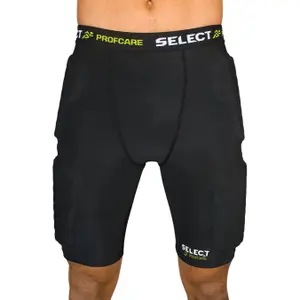
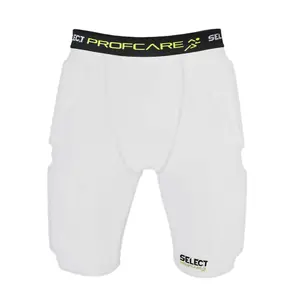
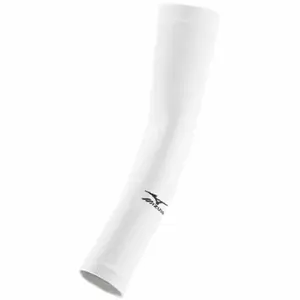






Stuck to the ground after a duel six metres away, a defender appreciates what he wears under his shorts: men's handball baselayers cushion falls, support the muscles, and reduce floor burns.
Compression shorts with or without padding, undershirts, sleeves, and leggings are layered depending on the position and the day of the week.
Protective shorts: the areas that touch the floor
Some compression shorts hide protective foam. At Select, the 6421 is placed on the hips, thighs, and tailbone, where the body hits the floor during extension shots and dives. Goalkeepers, who dive to the sides, are the primary users, but many wingers adopt them as well. Without foam, the 6407 from the same brand relies only on compression.
Centers and defenders: compression under the shirt
A center spends the match in contact, pulled by the shirt and attached at the shoulders. A compression undershirt holds the upper body, reduces friction, and keeps the muscles warm during breaks. In a match, it must match the dominant colour of the shirt: a player in white doesn’t wear a black undershirt underneath.
Elbow pads and sleeves: arms in contact with the floor
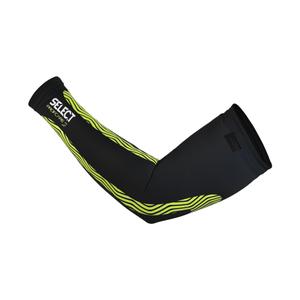
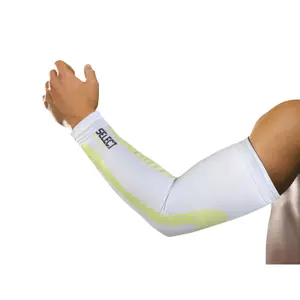
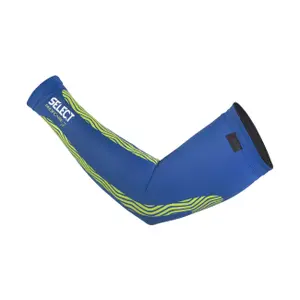
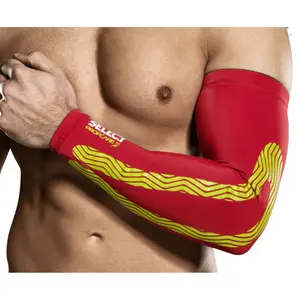
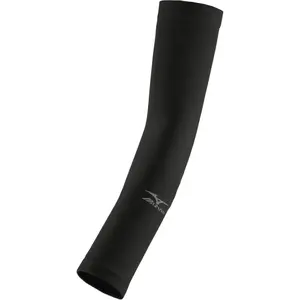
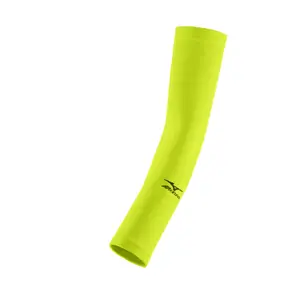
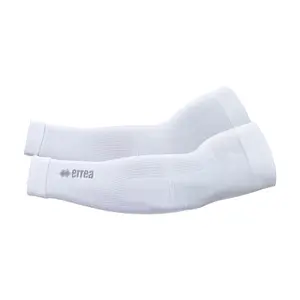
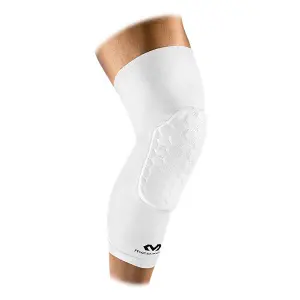
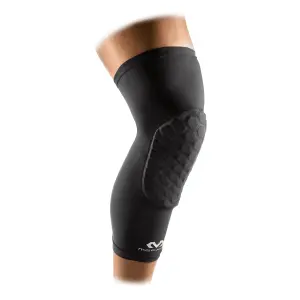
The elbow pads from Mizuno, sold by the pair, protect the joint during falls, and the regulations allow them in any colour. Compression arm sleeves, like the Knik from Errea or the 6610 from Select, cover the forearm; these must match the colour of the shirt. The HEX leg sleeves from McDavid add foamed padding to protect the knee.
Under the shorts: black goes with everything
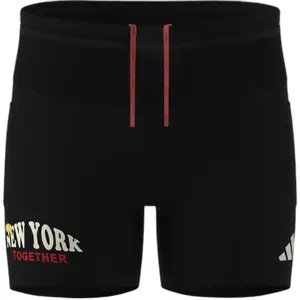
The thigh guard or short under-shorts should be in the dominant colour of the shorts unless it's black, which is accepted under any shorts. That’s why many players keep a black thigh guard in their bag for both home and away games. All players on a team must wear the same colour underneath.
Leggings and boxers: training and goal
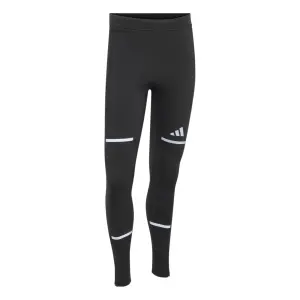
Long leggings, like the Bionikframe from Uhlsport, can be worn freely by the goalkeeper; a field player only wears them in matches if they're black or match the colour of the shorts; otherwise, they are used for training and running. Technical boxers and briefs replace cotton underwear, which retains moisture and causes friction during long sessions.
Vests and undershirts for prep
Technical vests, from Macron or adidas, are used for weight training and cardio sessions, either alone or under a t-shirt. Long-sleeve undershirts, like those from the Techfit or Base Tee lines, keep warmth during warm-ups in a cold gym. A close fit prevents the fabric from riding up when you raise your arms.
Tightly secured, never painful
Measure your waist, thigh, or arm circumference and follow the brand guide. The compression should hold tightly without numbing or leaving deep marks. For a match short, a snug fit stays in place; for recovery sessions, one size up is sufficient.
6421, HeatGear, Knik: men's compression brands
- Select offers the protective 6421 shorts and 6407, as well as sleeves 6610 and 6150.
- Hummel completes its team kits with matching thigh guards and undershirts.
- Under Armour brings its HeatGear compression, designed to wick away sweat.
- Joma, a Spanish brand, offers undershirts and thigh guards for team uniforms.
- Mizuno, LNH's textile partner, produces sleeves and elbow pads sold by the pair.
- Errea offers Knik sleeves in the most common club colours.
Shorts, shirts, socks: what goes on top
- The colour of the undershirt depends on the men's shirts of the club.
- The thigh guard is worn under the men's shorts.
- The calf sleeves match the men's socks.
- For prep, a vest is paired with men's t-shirts and polos.
- After the effort, it’s time for men's sweats.
- The goalkeeper completes their outfit with men's trousers.
- During warm-ups, men's jackets and tracksuits cover everything.
Cheap men's baselayers
Compression shorts and undershirts on sale can be found in the men's clearance and special textile offers. The Black Friday men's and men's sales allow you to get a black version and one in the club colours.
Frequently asked questions
Should you wear underwear under compression shorts?
No, it’s designed to be worn against the skin, like a technical undergarment. Adding cotton briefs creates friction and retains moisture. Change it after each session.
Does compression help with recovery?
Many players find it pleasant after exertion, for the sensation of lighter legs. The effects vary from person to person. It does not replace sleep, hydration, or stretching.
Is a goalkeeper required to wear padded shorts?
Nothing obliges them, but hip and tailbone protection can prevent many bruises on saves against the floor. Many goalkeepers wear them under long trousers or shorts. It’s often the first protective purchase after knee pads.
Can a long-sleeve undershirt be worn in a match?
Yes, if it has the same dominant colour as the shirt. Arm sleeves follow the same rule. Elbow pads can be any colour.
How do you wash shorts with padding?
Inside out, at low temperature, without fabric softener. Let it dry flat, away from a radiator, so the foams keep their shape. Tumble drying is to be avoided.